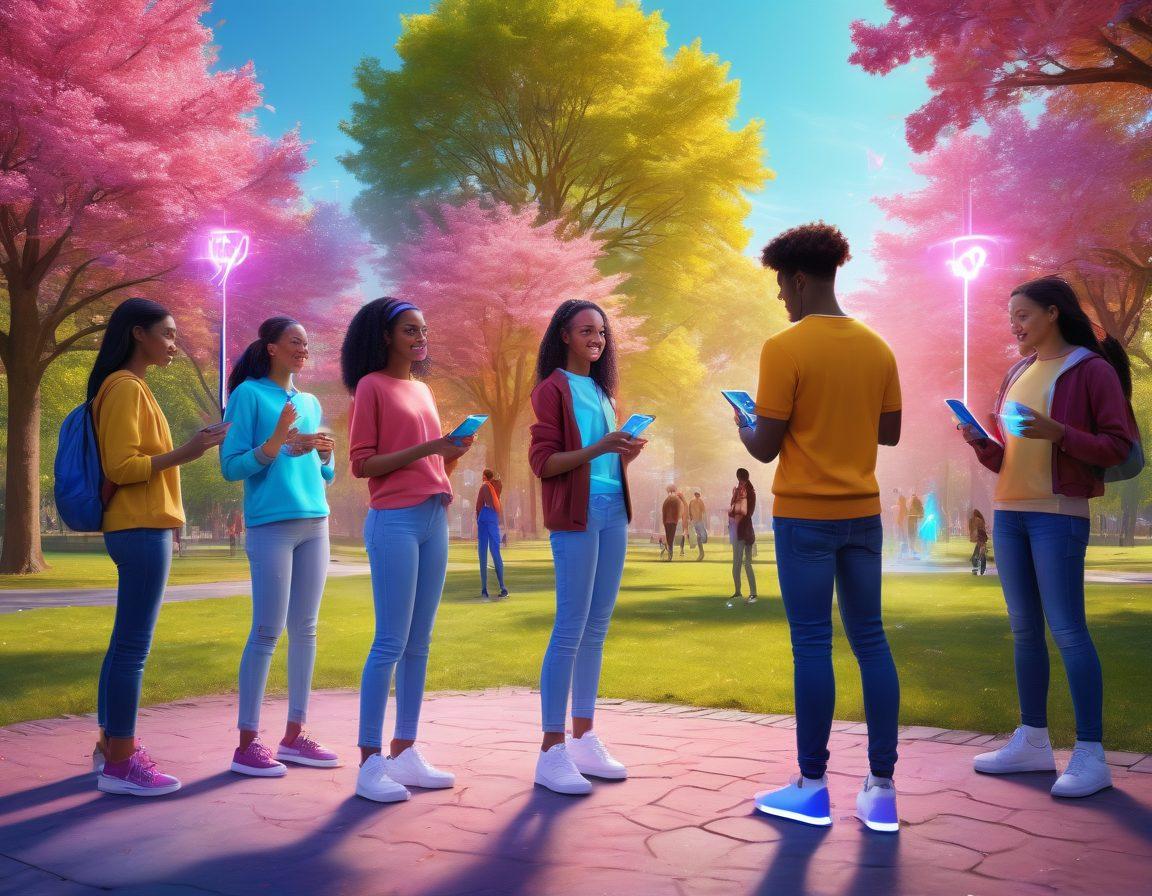
Navigating Youth Culture: Building Meaningful Connections in a Digital World
In a world steeped in technology, where the glow of screens often replaces face-to-face encounters, the dynamics of digital social life among young people have shifted dramatically. Whether scrolling through TikTok or connecting on Instagram, adolescents find themselves navigating a vibrant yet complex landscape known as youth culture. During their formative years, young people are not only defining their identities but also establishing peer connections that shape their experiences. Thus, understanding this realm of social networking becomes crucial as we explore how generation Z and millennials engage in social activities both online and offline.
Imagine walking into a room teeming with energy—laughter, conversations, and camaraderie hanging thick in the air. Sounds inviting, right? Yet, for many adolescents, these lively environments can feel more like a distant memory as they retreat into their online communities. With the rise of social media, teen social life has transformed into a blend of virtual interactions and face-to-face encounters. In this new era, how do young adults build genuine relationships? Do the likes and comments they receive truly equate to meaningful connections?
Among the myriad platforms available, one can't help but wonder: Are online friendships as valuable as those formed in traditional settings? Research suggests that while virtual interactions can facilitate peer connections, they often lack the depth found in face-to-face encounters. According to studies, adolescents crave authenticity, making it vital for youth programs to incorporate activities that foster genuine bonding. Think about it: How often do you engage in youth forums or community engagement activities? Initiatives that encourage teen socializing can help bridge these gaps by providing spaces for shared experiences and authentic interactions.
Additionally, entertainment for youth in the digital age does not solely revolve around conflict-free scrolling. Instead, many platforms have evolved into spaces where young people can showcase their talents, showcase vulnerabilities, and tackle challenges related to their identities. Whether it’s through participating in online competitions or attending young adult events, these adventures can empower teenagers while nurturing their confidence. How can you, as a mentor or educator, help guide youth towards fulfilling engagement in these entertaining yet meaningful ways?
As we ponder the intricate tapestry of youth culture, it becomes clear that fostering healthy peer connections is essential in helping young people navigate their social networking experiences. By creating opportunities for diverse gatherings—be it through teen groups or local community events—adolescents can cultivate resilience, empathy, and a sense of belonging. As adults, let us ask ourselves: Are we doing enough to support our youth in their quest for connection amidst the digital chaos? The answers lie not in the screen time statistics, but in the rich, shared experiences that foster lasting bonds.
Creating Lasting Bonds: The Role of Online Communities in Youth Engagement
In today’s fast-moving digital age, the need for youthful engagement and connection is more essential than ever. Adolescents, especially those belonging to Generation Z and millennials, thrive in environments where they can find their tribe, share experiences, and delve into collective interests. Think about it: when was the last time you witnessed a group of young people animatedly discussing their favorite online community while bonding over shared memes or trending topics? This phenomenon illustrates how online communities play a pivotal role in youth culture, shaping peer connections and keeping the spirit of teen socializing alive despite the virtual nature of interactions.
From gaming forums to social networking platforms, young people are navigating their social landscapes in ways that redefine traditional peer connections. These online spaces offer not just entertainment for youth, but also opportunities for meaningful discourse, community engagement, and growth. Imagine a teenager logging into a youth forum where they can express their passion for photography—connecting with like-minded peers who share tips, critique work, and cheer each other on. Isn’t that a beautiful merging of creativity and friendship? It's in these spaces that lasting bonds can flourish, transcending geographical limitations and personal barriers.
Yet, while the digital world opens doors to new friendships, it raises an important question: How can we ensure these virtual connections lead to genuine camaraderie and not just superficial likes and shares? The answer lies in purposeful engagement. Through youth programs that incorporate online components, young adults can be encouraged to participate in teen groups focused on shared hobbies or social causes. These mash-up events, either completely virtual or in hybrid formats, can facilitate interactions that allow for richer, more impactful relationships among young people—enjoying the excitement of social activities together, whether they’re gaming, creating content, or collaborating on community projects.
Moreover, it's essential to drive the narrative that these online communities can offer more than just casual interaction. By promoting positive teen entertainment and incorporating educational youth forums or safe spaces for sharing sensitive issues, we can cultivate a digital ecosystem that empowers young minds. Imagine an online space buzzing with activity, where adolescents contribute to discussions on mental health or environmental sustainability—these are not only engaging topics but critical issues that stimulate awareness and change.
As we navigate youth culture in this exciting new digital era, it’s clear that intentional efforts must be made to foster environments where young people feel supported, connected, and empowered. By recognizing the influence of social networking platforms, we open ourselves to new possibilities in building lasting relationships that matter. So, let's ask ourselves: How can we leverage these online communities to better our teen social lives and create spaces that truly resonate with the aspirations of our youth? The answers lie in our collective commitment to engaging in meaningful ways with both the technology we love and the wonderful young minds we cherish.
From Millennials to Gen Z: Understanding the Evolution of Youth Culture in a Connected World
In a world that thrives on digital connectivity, the evolution of youth culture has taken on new dimensions, particularly with the rise of Millennials and Generation Z. Once upon a time, social interactions happened face-to-face, punctuated by laughter and carefree conversations. Today, the essence of youthful encounters often unfolds within the embrace of social networking platforms. What does it mean for young people when social life is no longer just about the physical gathering but increasingly about online community engagement? This is the crux of our exploration as we delve into how adolescents navigate their identities and relationships in this fast-paced, digitally driven environment.
Millennials emerged into a world that was just stepping into the age of the Internet. They experienced the transition from dial-up modems to wireless connectivity, shaping an era where communication was constantly evolving. With their thirst for peer connections, Millennials harnessed technology to cultivate a vibrant teen social life marked by influential realities like MySpace and Facebook. There's a famous saying: 'When you can’t find the sunshine, be the sunshine.' Millennials took this to heart, creating online communities that radiated positivity in sharing experiences, albeit through a screen. How has that translated to the incoming generation?
As Generation Z steps into the spotlight, their relationship with technology is innate. They are digital natives, born into the world of smartphone reliance and instantaneous communication. Teen entertainment and engagement have morphed; TikTok and Snapchat are the new playgrounds where young adult networking thrives. These platforms serve as indispensable tools for social activities, where they can express their personalities, form lasting bonds, and share creativity. But in this realm of fleeting moments captured in a 15-second video, do we risk losing the depth of connection?
The key to understanding the evolving dynamics of youth culture is recognizing how essential community engagement remains for Millennials and Generation Z alike. Young adults are seeking support through youth programs and teen groups that enable them to connect on a personal level. They crave socialization that goes beyond screens—attending local events, sharing hobbies, and contributing to community youth forums. 'Our overarching connection as humans is not defined by our age but by our experiences,' someone once said. How can we ensure that these experiences continue to foster genuine relationships and lasting friendships?
There is a profound opportunity waiting for us as we look toward the future of youth culture. Whether through organized young adult events or informal gatherings, fostering an environment that values both the online and offline interactions will empower adolescents to connect meaningfully. The blend of traditional socializing with the conveniences of technology can unleash a world of friendship that enriches lives and encourages community participation. Ask yourself: Are you ready to embrace this evolution and celebrate the unique ways our young people shape their social landscapes today?